


The Persistent Reliance on Phone Calls
Business owners often resort to phone calls for updates from employees. Despite digital communication tools, phone calls remain popular due to their immediacy. This preference highlights a lack of real-time updates through other channels, as owners see calls as the quickest way to get needed information, avoiding delays in digital tools.
This reliance may indicate deeper communication issues within an organization. It suggests that existing systems might not provide the transparency and immediacy that leaders require. Frequent calls could signal ineffective communication channels, leading to inefficiencies and miscommunications.
Identifying Communication Gaps
The cause of frequent phone calls often lies in the absence of a centralized communication system. Without a single source of truth, data becomes fragmented across platforms and departments, leading to discrepancies and outdated information, forcing owners to manually chase updates.
Inconsistent reporting practices further exacerbate these issues, creating confusion and delays. When teams use different formats and frequencies for reporting, consolidating information becomes challenging. Employees may also hesitate to share updates if they lack clear guidelines or empowerment to do so autonomously.

The Role of Automation and CRM Systems
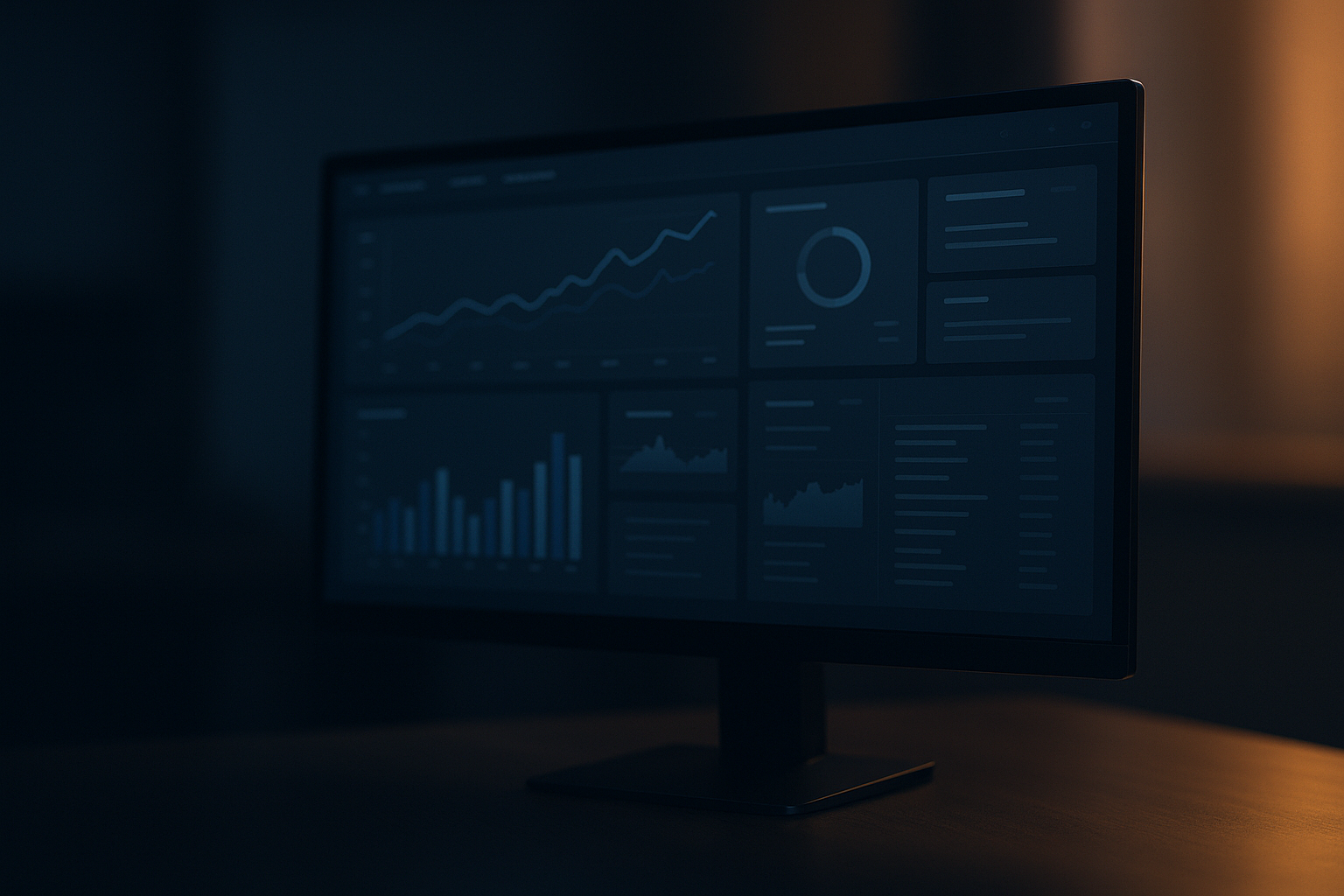
Automation tools and Customer Relationship Management (CRM) systems can address these communication challenges. Automation tools can provide real-time updates through dashboards, keeping leaders informed without calls. Alerts and automated reports ensure seamless information flow to those who need it.
CRMs centralize customer and project data, making it accessible across the organization. This centralization ensures everyone views the same information, reducing conflicting data. Effectively used, these technologies can significantly reduce the need for frequent check-ins, allowing focus on strategic tasks rather than information retrieval.
Practical Steps to Improve Information Flow
Implementing standardized reporting protocols is essential for improving information flow. This involves developing consistent formats and schedules for reports that all teams follow, aiding in swift and accurate data compilation for quicker decision-making.
Training is another critical component. Employees should be proficient in using communication tools, understanding not just the basics but how to leverage them for optimal productivity. Regular training sessions can boost confidence in using these tools and encourage proactive information sharing.
Transparency must also be a priority. Ensuring all team members have access to necessary information fosters an inclusive environment where data is shared for the organization's benefit.
Building a Culture of Trust and Autonomy
Reducing dependency on phone calls and enhancing efficiency requires building a culture of trust and autonomy. Empowering employees to make decisions and communicate updates without excessive oversight can improve operational efficiency. This empowerment should be supported by clear guidelines and leadership support.
Encouraging proactive communication and regular updates fosters an open atmosphere where employees feel responsible for keeping others informed. This approach streamlines information flow and enhances team cohesion and morale.
Fostering an environment where information is freely shared is not just about tools, but about trust.
AutoProbaho can assist in implementing these systems and cultural shifts. Partnering with us can help develop a strategy that aligns communication practices with organizational goals, reducing the need for constant updates and fostering a more efficient workplace.