


Understanding the Digital Twin Concept
The digital twin concept, a virtual replica of a physical object or system, originated in manufacturing and aerospace to simulate and predict product and machinery performance. It has since expanded to encompass business operations. For small and medium businesses (SMBs), a digital twin is a comprehensive digital model of their entire operation, capturing sales, logistics, customer interactions, and employee productivity.
Visualizing your business as a digital twin centralizes data from various functions into a single, coherent model, enabling a holistic view of operations. This simplifies decision-making and enhances the ability to predict outcomes and optimize processes. By mirroring real-world dynamics digitally, businesses can anticipate potential issues and develop solutions proactively, leading to more agile and responsive operations.
Components of a Digital Twin for Businesses
Data Sources and Integration: ERP, CRM, IoT
The foundation of a digital twin lies in its data sources. Key systems such as Enterprise Resource Planning (ERP), Customer Relationship Management (CRM), and Internet of Things (IoT) devices provide real-time data to the digital model. ERP systems offer insights into financials, supply chain, and inventory, while CRM systems track customer interactions and sales processes. IoT devices, increasingly prevalent in physical operations, monitor equipment and environmental conditions.
Building the Digital Model: Software and Tools
Constructing a digital twin requires robust software solutions capable of synthesizing data from diverse sources. Platforms like AutoProbaho offer tailored tools that integrate seamlessly with existing systems, enabling companies to create comprehensive digital models. These tools handle the complexity of varied data types, ensuring the digital twin remains an accurate representation of the business.
Ensuring Real-Time Data Flow and Updates
A digital twin’s efficacy depends on its ability to reflect real-time conditions. This requires continuous data flow and timely updates, facilitated through automated processes and high-performance computing. By maintaining up-to-date information, businesses can rely on their digital twin for accurate analysis and decision-making.

Practical Applications in SMBs
Inventory Management: Real-Time Stock Levels
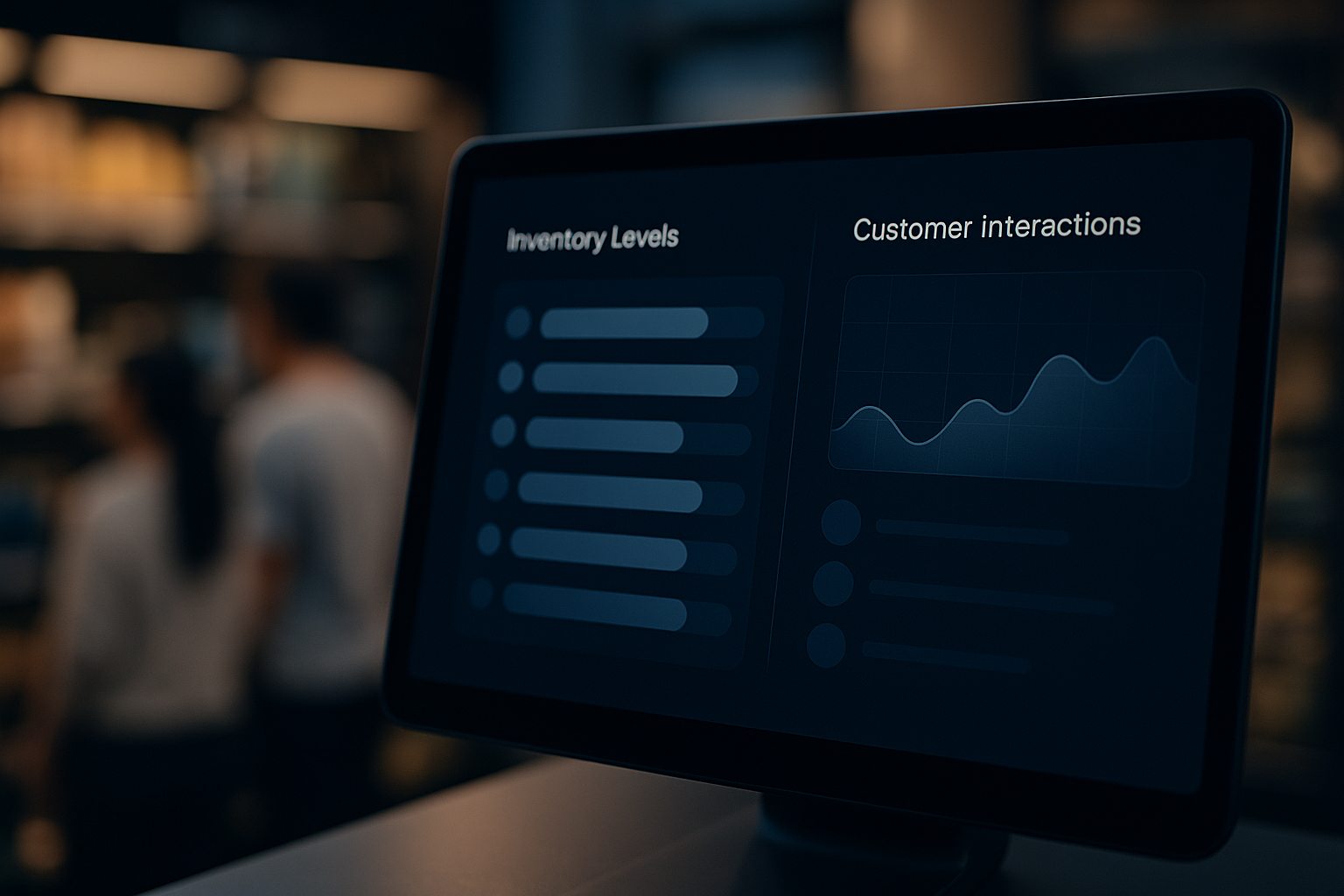
Digital twins can transform inventory management by providing real-time visibility into stock levels. This allows businesses to optimize order quantities, reduce waste, and avoid stockouts. A digital twin model can automatically adjust inventory levels based on current sales data and predictive analytics, ensuring efficient supply-demand alignment.
Customer Service: Tracking Interactions and Feedback
In customer service, digital twins offer a consolidated view of customer interactions, preferences, and feedback. By integrating CRM data, businesses can personalize customer experiences and address issues proactively, enhancing satisfaction and driving loyalty.
Operations: Monitoring Workflows and Productivity
For operations, digital twins provide insights into workflow efficiency and employee productivity. They enable managers to identify bottlenecks and streamline processes. Using predictive analytics, businesses can anticipate challenges and implement solutions that enhance operational efficiency and reduce downtime.
Challenges and Considerations
Data Privacy and Security Concerns
Ensuring data privacy and security is a primary concern when implementing a digital twin. Businesses must safeguard sensitive information against breaches and comply with regulations such as GDPR or CCPA. This requires robust cybersecurity measures and ongoing vigilance to protect customer and operational data.
Technical and Financial Investment Required
Developing a digital twin involves both technical and financial investments. Businesses need to evaluate the cost of software, integration, and potential infrastructure upgrades. While the initial investment can be substantial, the long-term benefits often justify the expense through improved efficiency and reduced operational costs.
Training Staff to Effectively Use the System
Training staff to effectively utilize the digital twin is crucial. Employees must be equipped with the skills to interpret data and leverage insights for strategic decision-making. Investing in comprehensive training programs ensures that staff can fully exploit the system’s capabilities.

Getting Started with Digital Twins
Choosing the Right Platform and Tools
Selecting the appropriate platform and tools is crucial for successfully implementing a digital twin. Businesses should seek solutions that align with their specific needs and integrate smoothly with existing systems. Consulting with experts like AutoProbaho can help identify the most suitable technology and platforms.
Step-by-Step Implementation Guide
Implementing a digital twin involves several steps:
- Define the scope and objectives of the digital twin project.
- Identify and integrate relevant data sources.
- Develop the digital model using appropriate software tools.
- Conduct testing and validation to ensure accuracy and reliability.
- Train staff and commence a phased rollout to mitigate disruption.
Measuring Success and ROI Over Time
Measuring the success of a digital twin involves tracking key performance indicators (KPIs) relevant to your business objectives. Regular assessments help determine return on investment (ROI) and highlight areas for further improvement. By continually refining the digital twin, businesses can enhance their operational efficiency and strategic decision-making.
Digital twins offer a transformative approach to managing business operations, enabling real-time insights and strategic foresight.
For SMBs looking to streamline operations and enhance decision-making, the digital twin represents a compelling solution. With AutoProbaho's expertise in AI automation and ERP systems, businesses can efficiently implement and manage their digital twin, ensuring a smart and responsive operational framework.